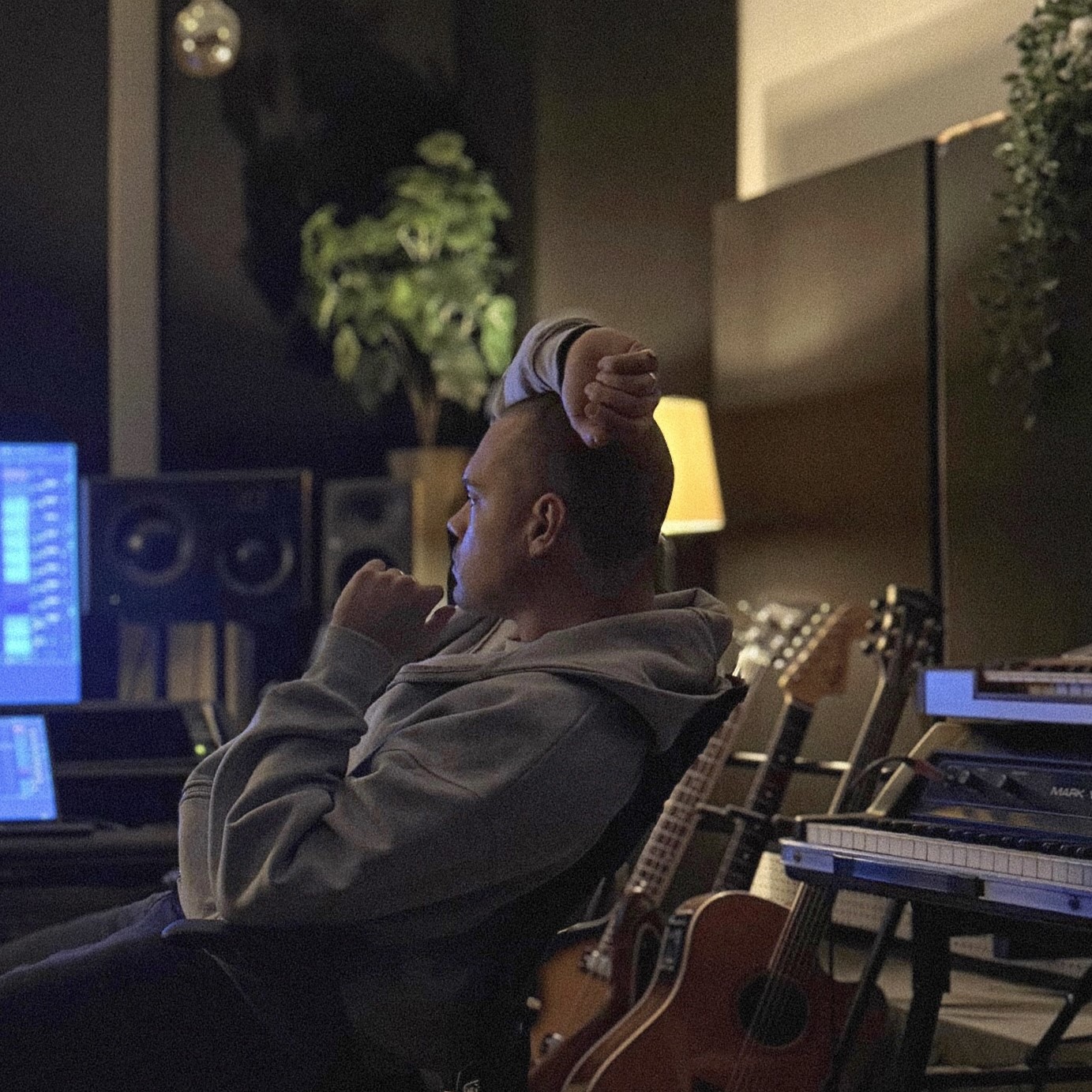

Yaseer has been making music for 13 years. He only started posting it a year ago.
That gap says a lot about how he operates. A Turkish immigrant kid who grew up in Vienna, he taught himself instruments, worked through genres, built up a taste that shows up in everything he touches — and then quietly released one of the most distinctive catalogs on WAVS without much fanfare. If you’ve used the platform this year, you’ve probably heard his sample packs or stumbled across a VESPERA preset bank without knowing his name.
He also does all of this while working full-time as an engineer.
We sat down with Yaseer to talk about what makes a sample pack an artistic statement, how he builds sounds, where his references come from, and how he thinks about AI in a world that’s moving faster than most producers can keep up with.
Q: For those who might not know you yet, who is Yaseer? Tell us a bit about your background, how long you’ve been making music, how it all started, and what originally pulled you toward production.
Yaseer: I’m a Turkish immigrant kid born and raised in Vienna. I got into music when I was 12, I annoyed my parents until they bought me a MacBook for my birthday, and once I opened GarageBand, that was it. I spent the next years learning instruments, trying different genres, starting with indie house and eventually finding my way into R&B and hip-hop. I’ve been making music for about 13 years now, but funny enough, I only started posting my work, samples and all, about a year ago.
Q: You’ve built a strong name for yourself on WAVS through both your sample packs and your Analog Lab banks, specifically the VESPERA series. What do you think makes a great sample pack, how do you make a great sample pack and how do you balance putting out great packs while keeping your preset banks high quality?
Yaseer: For me, a great sample pack has a recognizable identity. For years I saw packs labeled things like “R&B Essentials” or “Trap Melodies,” and they always felt generic. When I joined WAVS as a user and discovered creators like TY, Akira, UNKWN, and Dreamlife, I realized a sample pack could be an artistic statement. You put your own world out there and let other producers interpret it however they want. I loved that idea.
Q: When it comes to production, is there a technique or approach you consider essential? And do you play any real instruments?
Yaseer: I keep a huge private Spotify playlist where I save any song with one standout idea: from 70s soul and 80s Japanese city pop to Middle Eastern music, bedroom pop, and contemporary R&B. I’ll borrow little ideas from those records, and by the time I’m done with them, they’ve turned into something completely different. I play bass, guitar, and keys, but honestly, MIDI feels way more natural to me than staring at a keyboard. About 90% of the time, I just click things in. And playing stuff live in front of other people is just hell, most producers probably know what I mean lol.
‘2 deep’ by A-Reece and Blue Pappi samples Yaseer’s ‘5 in the morning‘
Q: What VSTs or tools are you using the most right now? Any plugins or chains you’d recommend?
Yaseer: Instrument-wise, my favorites change every few months, but there are three VSTs I always come back to. Keyscape is unbeatable for keys: the Wurlitzer, soft felt piano, and Rhodes variations are insanely good. I even have access to a real Rhodes and still choose Keyscape most of the time. And honestly… Wurlitzers are better anyway. For bass, Modo Bass is all you need. Once you get it, you won’t look for another bass guitar plugin. For synths, u-he Diva is on a completely different level. It’s the most analog-sounding, unpredictable, 3D-sounding synth plugin I’ve ever used. Most of my synth sounds come from it. Mixing-wise, my biggest tip: you don’t need that much low end. Most samples have way too much below 200 Hz, especially under 100 Hz, it kills your headroom and makes everything quieter. Also, get into tape plugins. Push them, clip them, experiment. They add character, width, and natural EQ curves. The UAD tape plugins are standouts. And if anyone cares enough, just shoot me a DM, I love exchanging tricks.
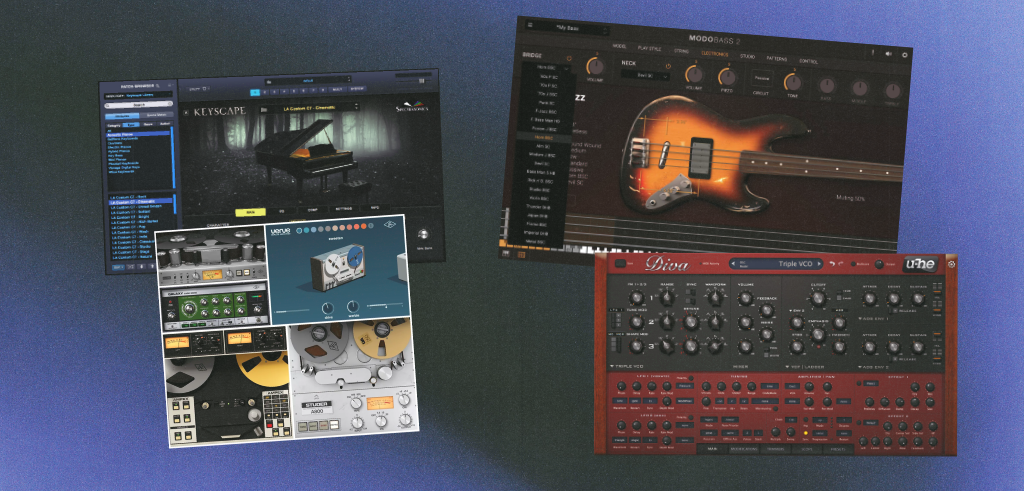
Some of the plugins Yaseer recommends
Q: Aside from your sound, your visuals are always on point. How did you find your visual style, and do you create everything yourself?
Yaseer: I’ve always loved poster design, especially brutalism. A lot of it comes from the movies I grew up on – 80s horror posters and 90s Hong Kong cinema. They really knew how to build atmosphere in such a small visual space.
I create all my visuals myself. My advice for anyone developing their visual identity: learn Photoshop. Take a weekend off music, download it, follow tutorials, and learn the basics. YouTube is your biggest friend.
Q: You’ve been one of the most consistent creators on WAVS this year. How do you stay disciplined and creative at the same time?
Yaseer: I make music when I feel like it, and I make music when I don’t feel like it. It’s probably not the healthiest answer, but that’s just how I work. Since I also work full-time as a sound engineer in Vienna, every free minute I get goes straight into making samples. I don’t follow a big plan – staying consistent just became part of my routine.
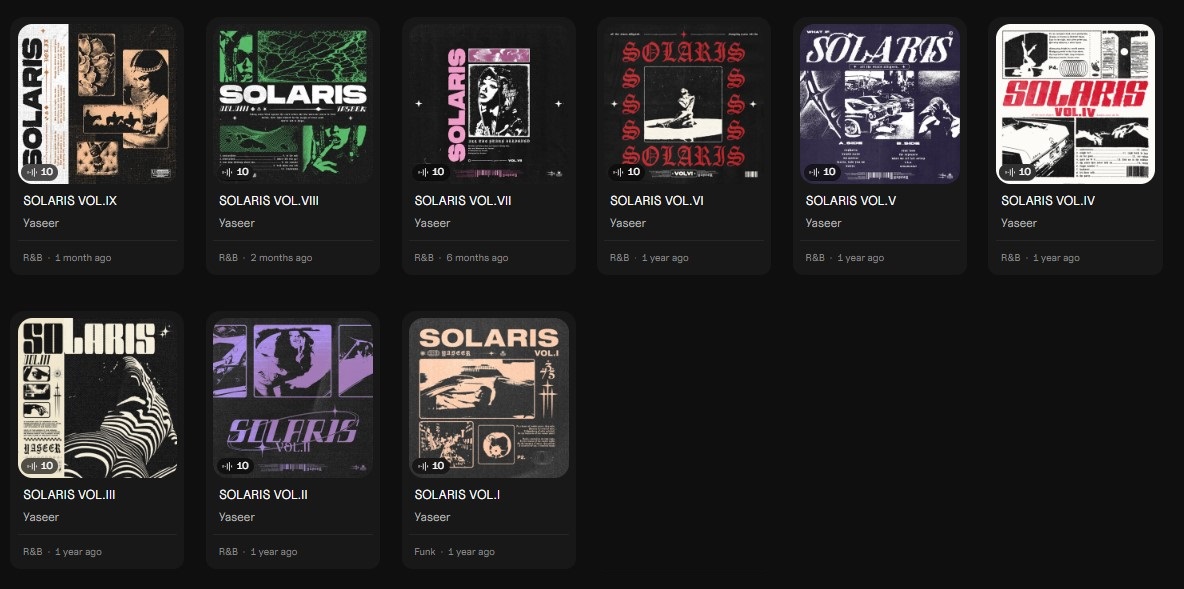
The proof is in the pudding. Yaseer’s SOLARIS sample pack series is one release short of its tenth installment
Q: Do you think producers today need to focus on content and community-building as much as the music itself?
Yaseer: Yes, I talk about this a lot with my peers. In the age of AI, having a face and a brand attached to your music is going to be essential. Just releasing good music won’t be enough. When AI-made art becomes indistinguishable from perfectly crafted human music, the only real value your work has is that you made it. So the people have to know you.
Yaseer is actively creating social media content to showcase his work
Q: What’s your perspective on AI in music? Tool, threat, or somewhere in between?
Yaseer: We’re at a breaking point: you either adapt to AI or risk falling behind. I use AI as a tool, even if it’s not directly in my samples. Sometimes I’ll go on an AI music site, give a detailed prompt, let it generate a bunch of ideas, and listen through them on the train or at home. If something inspires me, I save it and recreate it in the studio.
It gives me ideas I wouldn’t normally come up with. I think every producer should find their own ethical way to coexist with AI, or they’ll get left behind.
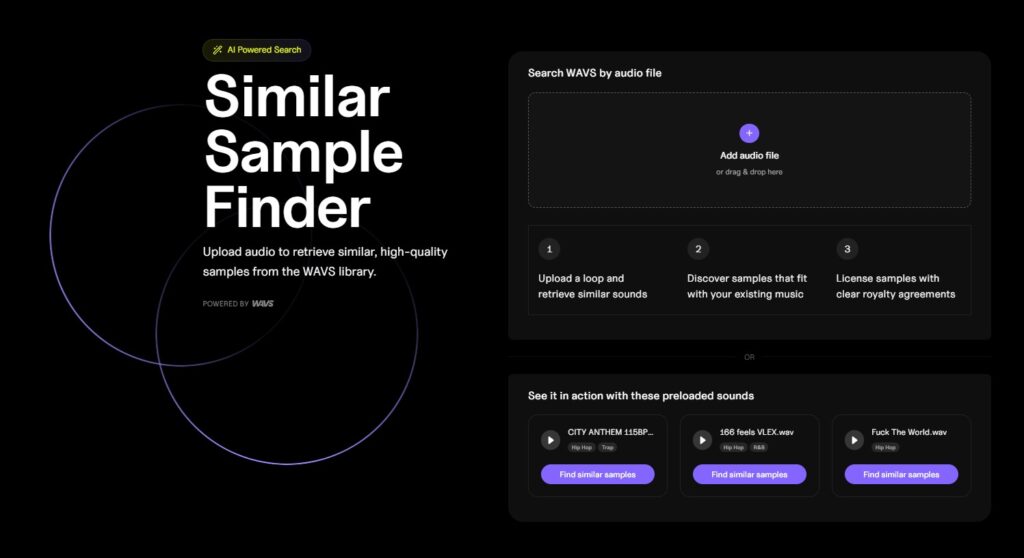
Our Similar Sample Finder is a great way to stay inspired and find sounds that fit your current inspiration
Q: When you think about the next few years, what’s your long-term plan? What does 2030 look like for you?
Yaseer: I try not to plan too far ahead. I just take things step by step and hope the good decisions outweigh the bad ones. But if I look toward 2030, I’d love to be doing exactly what I’m doing now – just on a bigger scale. Making samples, creating sounds, and growing that world as much as I can.
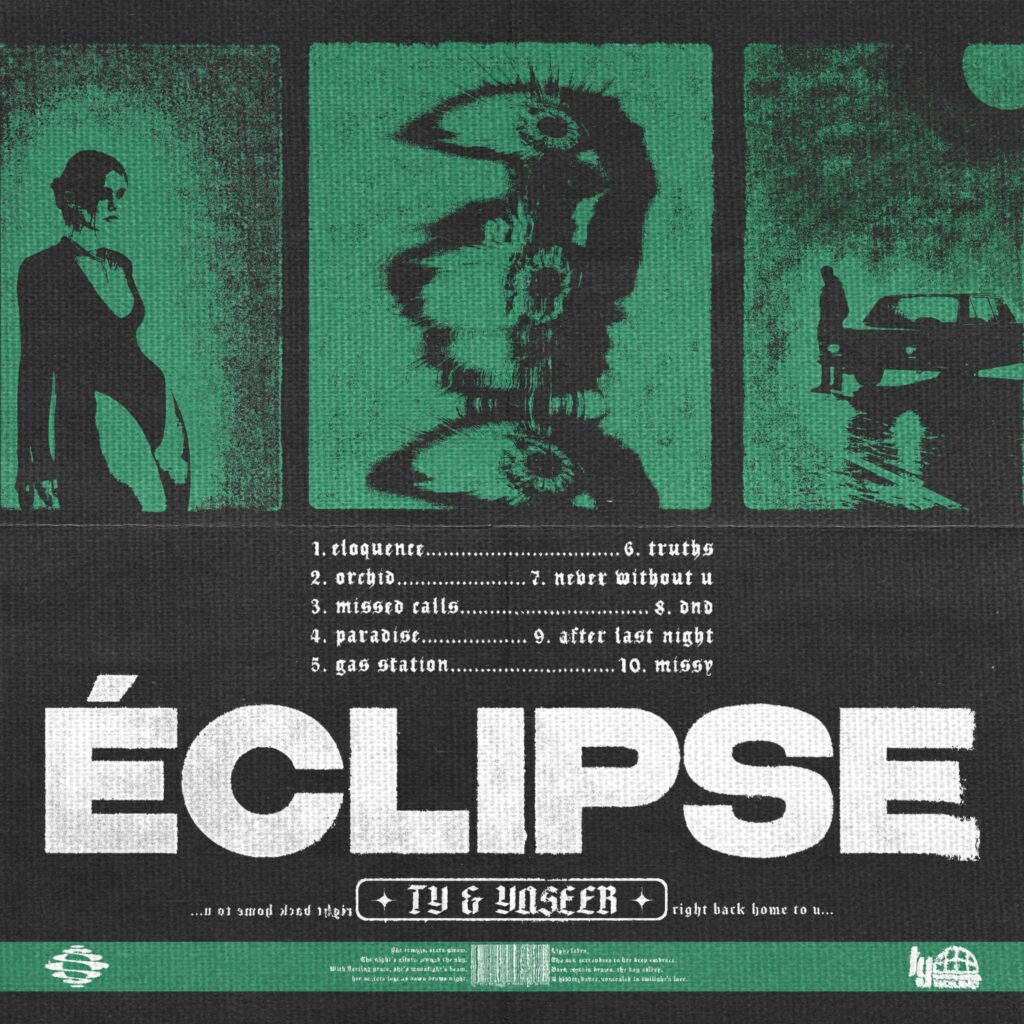
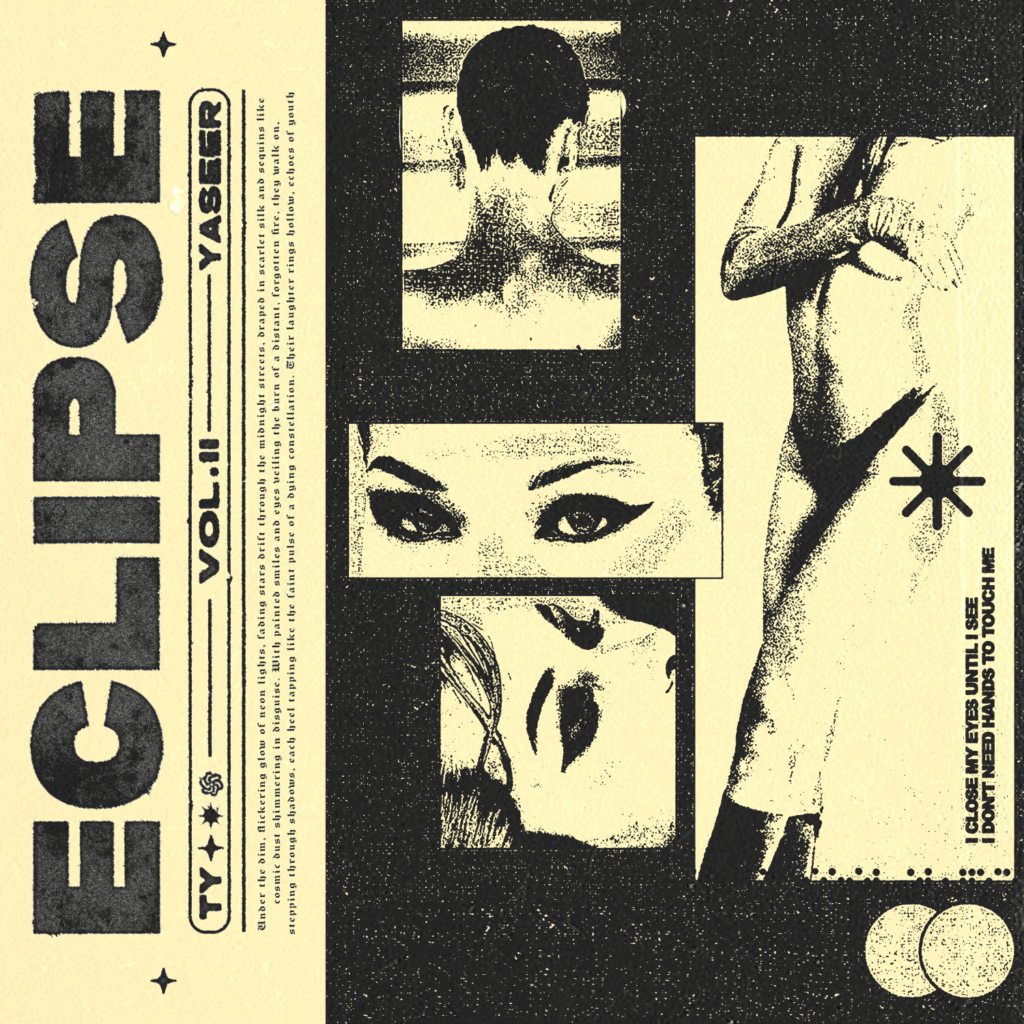
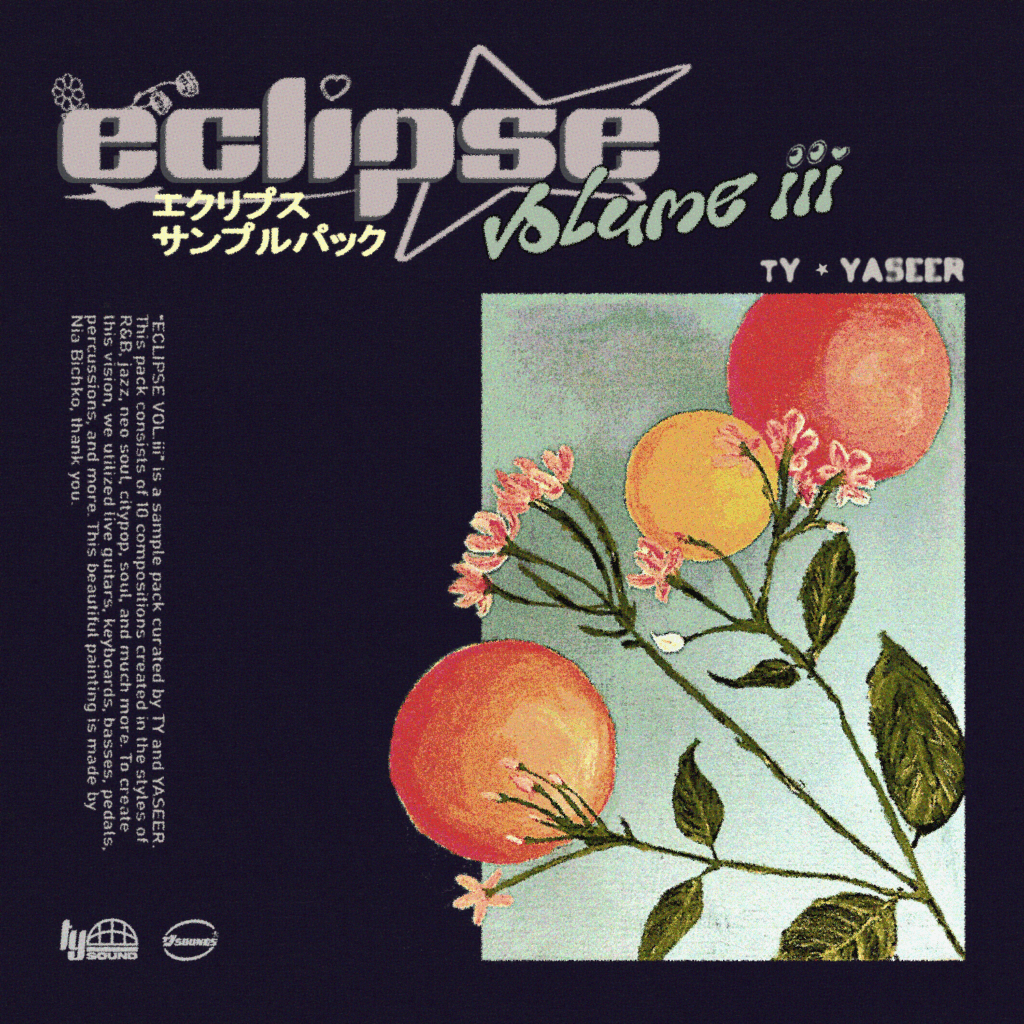
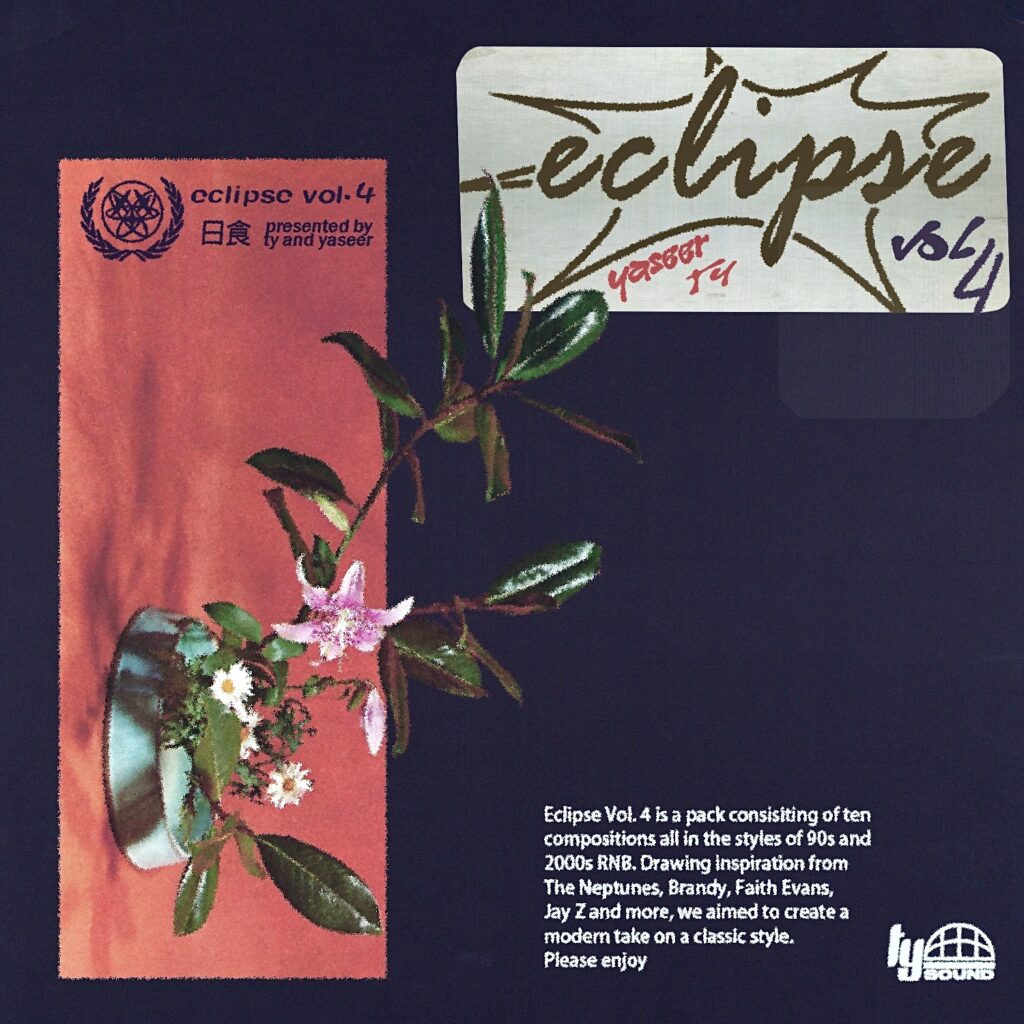
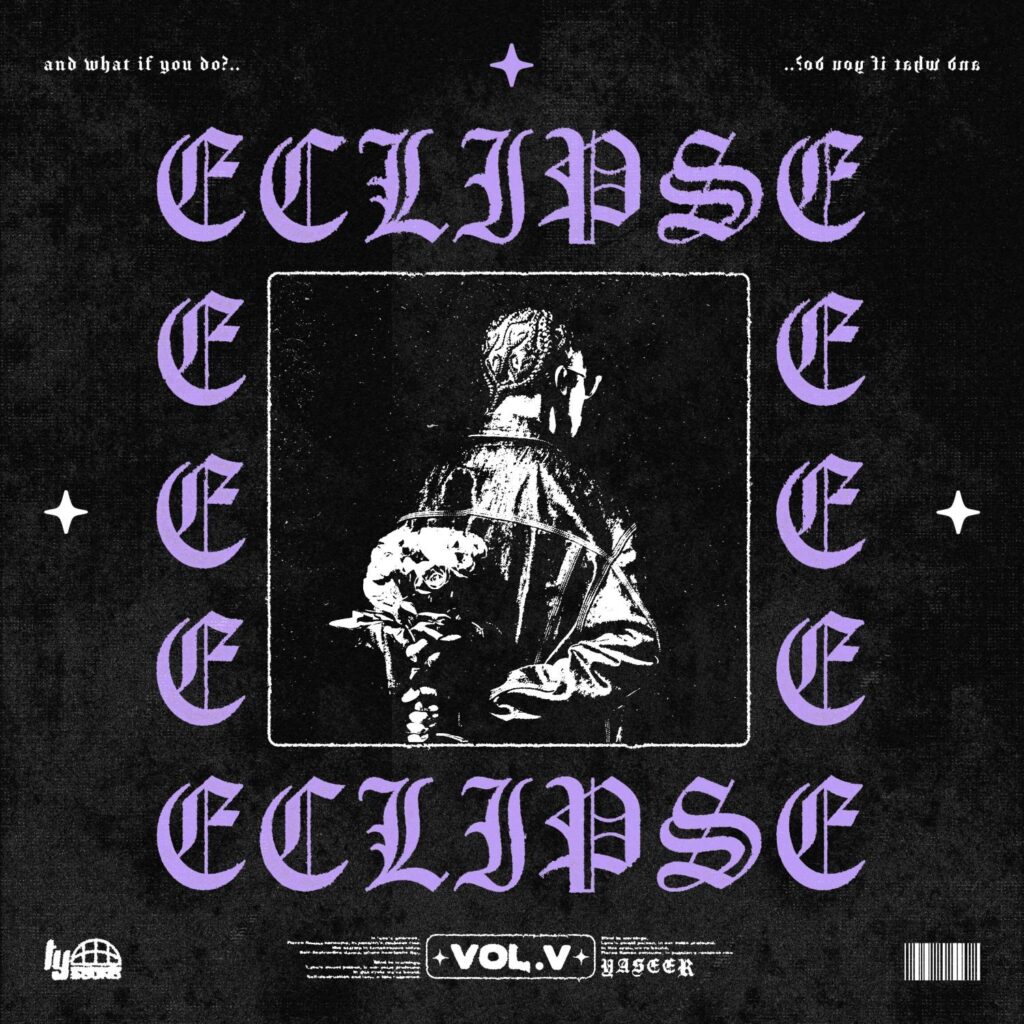
The ECLIPSE series by Yaseer and TY
sample yaseer’s catalog here.